Welcome to Eastnor Castle
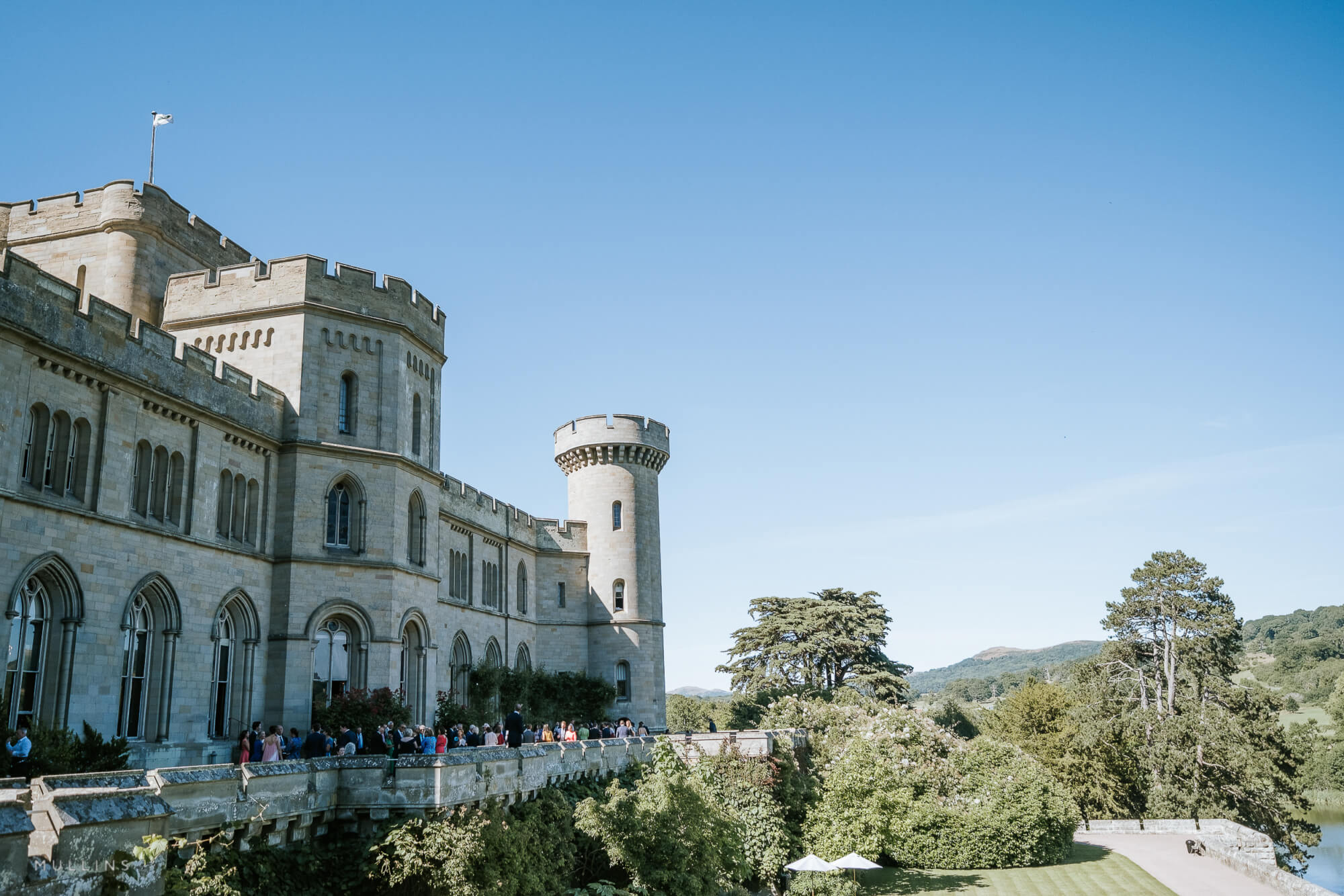
Eastnor Castle lies in Herefordshire at the foot of the Malvern Hills on the edge of the Cotswolds.
Surrounded by a beautiful deer park, arboretum, and lake, Eastnor Castle is the home of the Hervey-Bathurst family.
Besides being a fascinating and award-winning visitor attraction, Eastnor Castle fulfils other roles as an exclusive-use wedding venue, corporate team building venue and private party venue, as well as a venue for product launches and location filming.
The Wedding Venue and the Roy family’s English Stately Home. Season 1 of HBO’s Succession
Plan Your Perfect Wedding Day
Once upon a time, nestled at the foot of the dramatic Malvern Hills, there stood your fairytale wedding venue.
Eastnor Castle is a warm and inviting setting for the most magical day of your life. The country parkland estate sits in the Malvern Hills National Landscape, situated in 5,000 acres of rolling, wooded Herefordshire countryside.
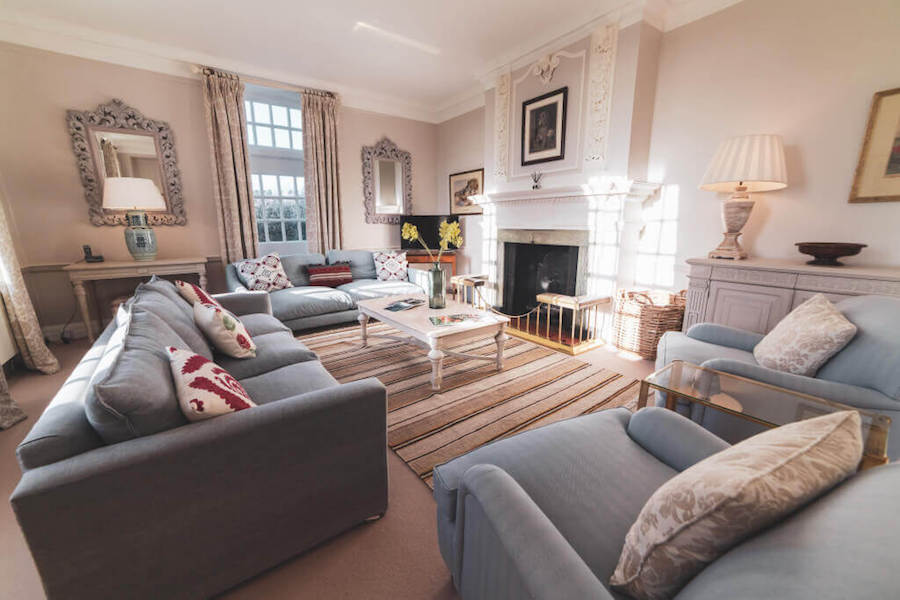
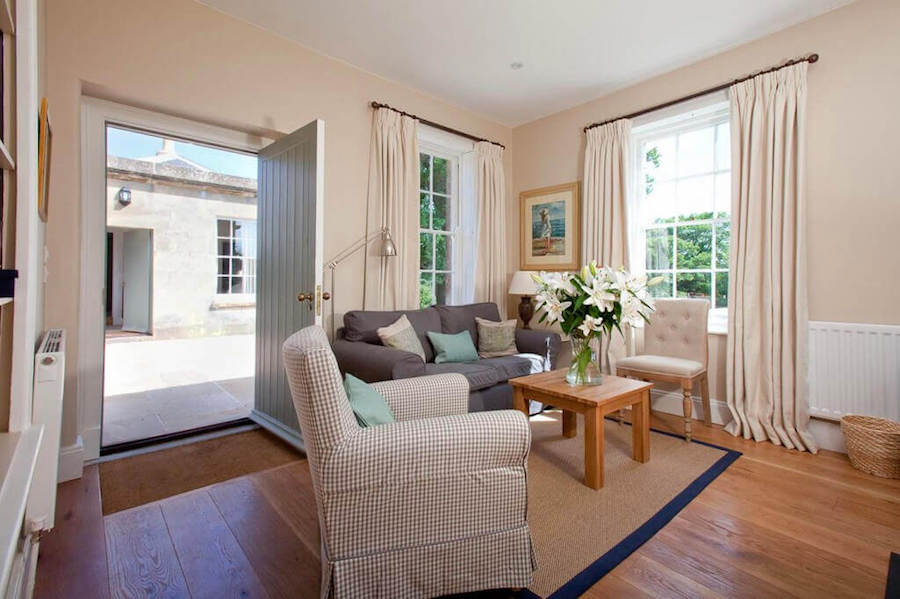
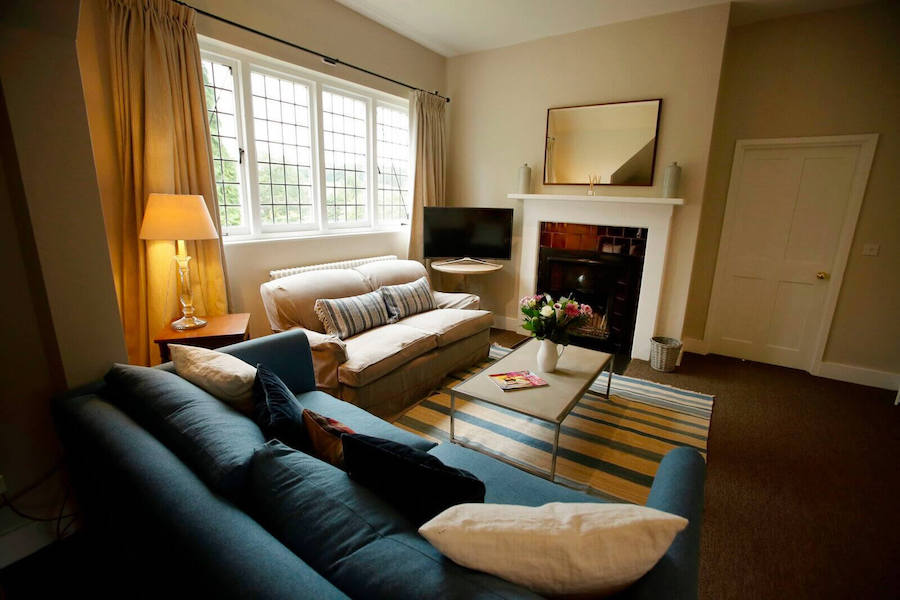
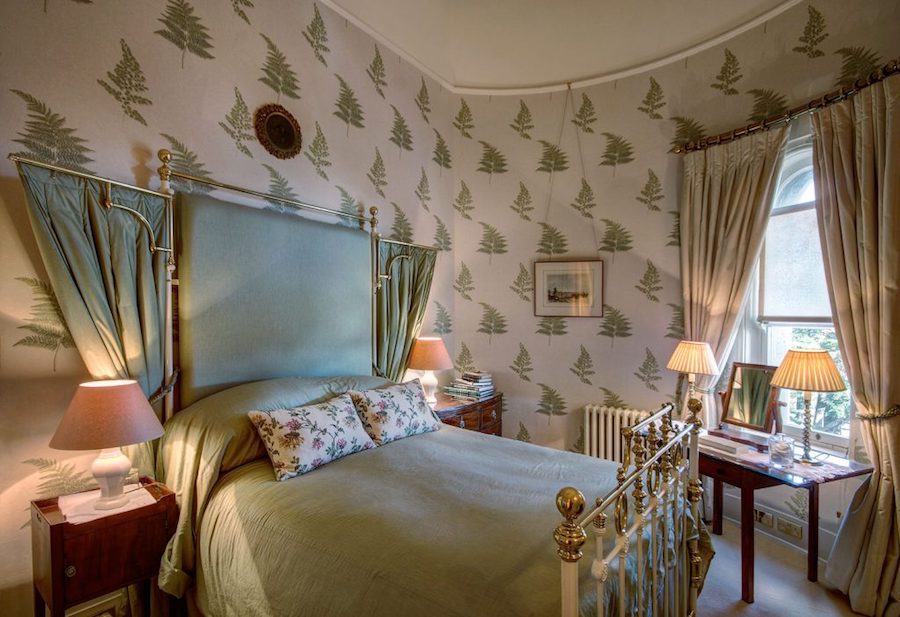
Plan Your Event
Plan Your Corporate Event or Party
A private home which was designed for parties, meetings, and entertaining, Eastnor Castle is now a luxury exclusive-use venue for events ranging from birthday parties and wedding anniversaries to team building activity days and corporate training.
A gateway to the malvern hills
The Woodshed at Eastnor Deer Park
Opened in 2021, The Woodshed sits near the Woodyard entrance to Eastnor Deer Park and offers take-away hot and cold drinks, ice creams, locally-made cakes and light snacks.
A great place to stop for refreshments before or after a walk in Eastnor Deer Park or the Malvern Hills.
Open daily from 9.30am until 4.30pm. Free Parking.
Land Rover Experience
Experience the true spirit of Adventure in it’s purest form!
Explore the Eastnor Estate Off-Road track with a range of dynamic, interactive experiences, from taster sessions and demonstrations to fully-immersive whole-day courses.
Take a tour around Eastnor
See the magnificent State rooms as you
are immersed in the fascinating world of
Eastnor and its family.
Visitors can explore the state rooms within Eastnor Castle where
guides are on hand in every room to pass on their expert knowledge
on the fascinating history of the castle.
Loved by many
Don’t just take our word for it

Eastnor Castle Blog
Learn more about what goes on at Eastnor on the Eastnor Castle blog.
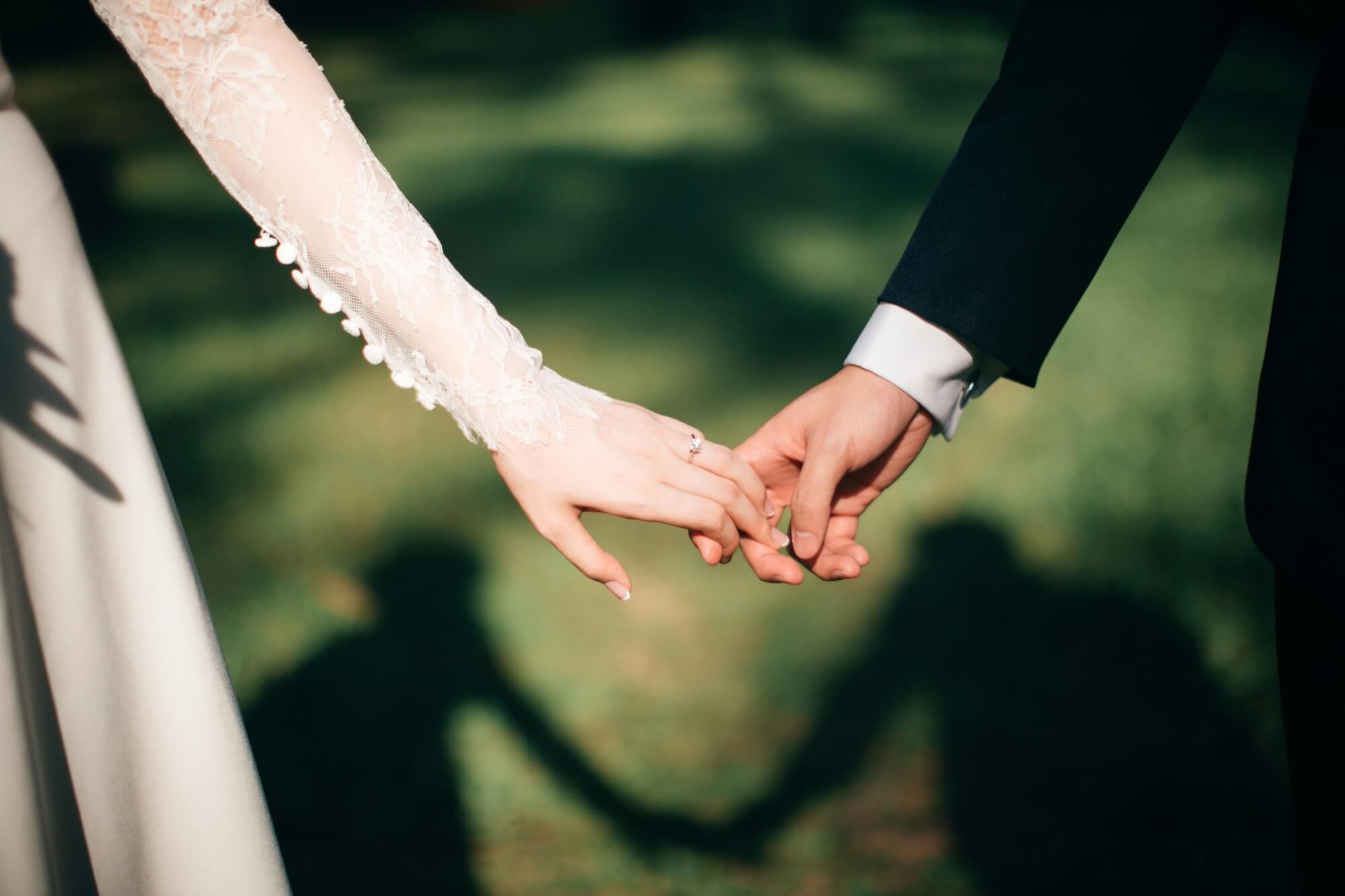
70 Questions You Should Ask at a Wedding Venue Showround
How long does it take to plan a wedding?
Our Recent Awards